I started this series of posts as I got into researching the vegan diet in more depth. The information below comes from a range of websites including: vegansociety.com, vegan.com, veganhealth.org, the UK NHS website, US NIH website, healthline.com, and a number of other seemingly credible looking websites. Please note however that I am neither a doctor, a dietician, nor a nutritionist so if you are experiencing any health issues, it is always best to seek proper advice from a qualified professional.
So now I have been vegan for a while, I have started to become more conscious, and read up, about nutrition. Not because I have any health issues, but if this is going be along term habit, then I want to make sure I am doing it sustainably.
Recent promotion of vegan and plant-based diets, such as the movie Game Changers, are heavily promoting that not only is the diet healthier, but that athletic performance can even be enhanced. Whilst I am not trying to train for an iron-man any time soon, I wanted to check out the facts about nutrition and supplements.
There is a lot of misconceptions about the fact that as a vegetarian or vegan, you will not be able to eat enough protein, and will suffer vitamin deficiencies without taking supplements on a regular basis. There are also a lot of counter claims made that all nutritional needs can easily be gained from a balanced vegan diet. Both are right on some counts and wrong on others.
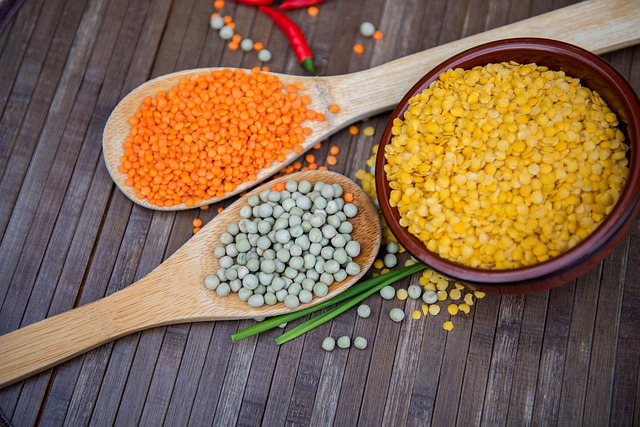
Your body needs a range of foods to fuel itself. Some nutrients are received directly from our food, and some are synthesised within the body using the ingredients we digest. The main building blocks of a healthy diet are carbohydrates, proteins, fats, fibre, minerals and vitamins. All of which you can get from a balanced mixed diet of the major plant based food groups but some of which are less available from plant-based sources than animal-based foods. The plant-based food groups are:
- grains including oats, flour, rice etc.
- beans and legumes, including tofu and tempeh, which are made from soy beans
- nuts and seeds
- fruits
- vegetables
The series of posts following this will delve deeper into some of the main nutrient groups that are often cited as being a problem for vegans, such as:
- Vitamin B12
- Proteins
- Calcium
- Omega essential fatty acids
- Vitamin A
- Iodine (coming soon)
I won’t cover Vitamin D – the Sunshine Vitamin. Getting enough Vitamin D is a problem for anyone who does not get around 15 minutes of sunlight on their skin each day, regardless of diet. If you aren’t getting out in the sun, check your regular foods to see if they are fortified, or consider a supplement. The RDA for Vitamin D from NIH (US) is 15 mcg/day.

I found that when I first started eating a vegan diet that I was feeling hungry more often, even though I have been vegetarian for over 25 years.
There are two main reasons people feel hungry eating plant-based. The first is that you do usually just need to eat more food when switching to a plant-based diet. This is because meat, fish and dairy all contain a lot of oils and fats, and that energy needs to be sourced in other ways. Generally plant-based foods have a lower calorific content than meat or diary, hence you need to eat more of it. The other reason I discovered, is that sometimes a lack of complete proteins can make you hungry. My remedy was simply to start eating a few nuts as a snack mid-morning or early afternoon, and the hunger went away.
If you are feeling hungry or suffering weight loss on a plant-based diet, or having any other health problems, it is a good idea to take a good look at the balance of your diet, and consider getting some advice if a few sensible adjustments don’t make a difference.
In terms of holistic diet planning, there are several handy and very simple rules of thumb I have picked up from various sources. These are very easy to follow and will help to build some good diet habits. I have included the better generic ones that I came across below. Rules of thumb specific to food types – like protein – are included on those posts.
Diet Hack #1 – 80:20 Rule

I have heard this one mentioned several times, and its seems obvious, but clearly some people struggle to follow it so here goes. Eat AT LEAST 80% healthy whole foods, and no more than 20% junk food (which includes home-cooked fried food). Do we really have to say it? I guess so…
Most vegan website’s agree that the plethora of vegan junk food starting to be sold, is great in terms of helping people to start to change their diets, and handy for travelling and on-the-go vegans, but just because its plant-based doesn’t mean its automatically good for you and you can eat it all the time!
Diet Hack #2 – Eat the Rainbow
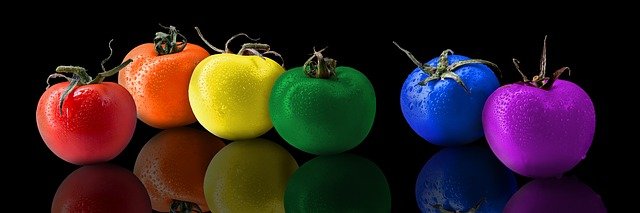
I’m not sure where the “eat the rainbow” phrase came from, but it may well be based on the ancient Japanese tradition of having five colours in every meal. It is thought the tradition arrived in Japan with Buddhism in the 6th century. In Japan, the five elemental colors are red, green, yellow, white, and black, and the idea is simple: make sure every meal contains every colour.
The modern rainbow includes: red, orange, yellow, green, blue/purple, white/brown, and the recommendation is not necessary to have all colours in every meal, but to make sure you have all colours at some point in the day.
By eating foods with this variety of colours you will automatically be getting a wide range of different nutrients and likely covering most of the major vitamin types. This diet philosophy is not exclusive to a plant-based diet and applies just as much to meat eaters.
If you want to take this a step further try and count the total number of different food types you eat in a day and a week. Some guidelines say you should eat 20 different food types in a day, or 30 different types in a week. The basic idea is again to get a wide variety of foods to broaden your nutrient profile.
Here’s my count from today:
- Breakfast: Muesli & granola ( I’m not going to count all the ingredients in these!), chia seeds, ground flaxseeds, sesame seeds, blueberries, coconut yoghurt and oat milk. Bingo there is 8 foods straight away, and includes white/brown and blue/black foods.
- Snack: A few almonds, walnuts & pistachio nuts. Another 3 food types, and more white/brown.
- Lunch: Toast with hummus and beetroot dip, salad with: lettuce, rocket, tomato, cucumber, olives. Awesome another 8, including green and red foods. Total of 19 food types already and I haven’t even got to dinner yet!
- Snack: An apple. This one was red, but could be green.
- Dinner: Veggie burger pattie (made with quinoa and black beans), cauliflower, kale, red pepper, red onion, and vegan gravy. That’s 7 food types, with more green and red foods as well as black/brown.
- Snack: A few dates, figs, and a small piece of dark chocolate.
That gives me a total of 30 food types. As you can see, it is not so hard to make sure you get lots of variety in your diet. Maybe I missed the colours orange and yellow out today. I had better have an orange and some carrots or pumpkin and a banana tomorrow. By eating foods with this variety of colours you will automatically be getting a wide range of different nutrients and likely covering most of the major vitamin types.
Diet Hack #3 Eat your Plate
Not literally. Really, please don’t. This hack is a simple way to visualise how to plan your meal to achieve enough of the daily food group needs. It is a bit similar to the old “meat and three veg” rule. This youtube video from Vegan site Pick Up Limes is a good explanation of this easy rule, but I have also summarised it below.
One quarter of your plate should be filled with a protein food. For vegans this would be beans or lentils, tofu, tempeh, quinoa, or nuts. For more about protein see my protein post.
The second quarter of your plate should contain a carbohydrate. Pasta, potatoes, rice, oats, you get the drift. Now that I’m a bit older I can’t eat as much carbs as I used to without putting on weight, especially in the evening, so I do tend to skimp this quarter in evening meals. But I can get away with this as I tend to have a bit more carbs at breakfast and lunch.
The other half of your plate should contain a mixture (see the Rainbow above) of vegetables and/or fruits.
Obviously in many dishes and meals the foods are mixed up together so you won’t see the composition of your meal in strict quarters, but if you use this hack as a guide to quantities it should help with meal planning and getting a balanced diet.
Diet Hack #4 The Daily Dozen
This one comes from Dr Gregor, a famous vegan advocate. He has lots of youtube video’s on vegan diet recommendations. He suggests a dozen things we should all eat each day for optimal nutrition. It seems to be a mixture of the #2 and #3 hacks, but is more specific. His recommendations are based on optimal nutrition for the average adult, but you may need more of certain things depending on your lifestyle. I’ve been trying this for a while and it’s hard to get them all in, every day, I have to say, especially the beans. I guess the point is if you are missing any of these food groups on a regular or sustained basis then you may start to have problems.
The youtube link above is Dr Gregors explanation of his system, but I have also summarised the 12 here. In his system, a serving is:
- 1/2 cup of cooked beans or vegetables or grains
- 1 cup of raw vegetables or fruit or grains
- 1/4 cup of nuts or seeds or dried fruits or 2 tablespoons of nut-butter
- 1 slice of bread
The Daily Dozen is:
- 3 serves of beans or lentils
- 1 serve of nuts and/or seeds
- 3 serves of whole grains
- 1 serve of “cruciferous” veg = cauliflower, broccoli, kale, cabbage & peas
- 2 serves of any green veg
- 1 serve of any other coloured veg
- 3 serves of any fruit
- 1 serve of berries (which includes grapes for this purpose)
- 1 tablespoon ground flaxseed (for Omega 3)
- 1 teaspoon turmeric (I don’t know why, but its good for you!)
- lots of water or other non-sugary drinks
- plenty of exercise
Give this a go and let me know what you think.
Happy Eating!
I hope you found some of those tips useful. There are literally millions of videos on youtube and websites offering diet and nutrition advice for plant-based diets. I am sure you can find others as well as those I have mentioned. Do make sure to exercise a healthy dose of skepticism though to sort out the plain silly and downright dangerous advice, that unfortunately is out there, from the sensible majority.
The last thing I want to finish with is that a vegan diet can be healthy, nutritious and taste great. Especially these days with so many options available to easily buy whole foods, pre-made condiments and even those unhealthy junk snack treats, there is no reason at all for a vegan diet to be bland. Go forth and search the internet and you will find a vegan recipe for any food you can possibly think of.

Stay safe and healthy everyone!
Links to my other nutrition blogs:
 Letter from Jakarta.
5 thoughts on “Vegan Nutrition Unpacked”