I started this series of posts as I got into researching the vegan diet in more depth. The information below comes from a range of websites including: vegansociety.com, vegan.com, veganhealth.org, the UK NHS website, US NIH website, healthline.com, and a number of other seemingly credible looking websites. Please note however that I am neither a doctor, a dietician, nor a nutritionist so if you are experiencing any health issues, it is always best to seek proper advice from a qualified professional.
Calcium is needed for strong and healthy bones and teeth, and everybody knows that you need to drink milk to get calcium don’t they? If you are as old as me, you had to drink those little bottles of milk at school as a kid (I always hated that!). Most vegetarians still drink dairy milk, so all good for them. But what about vegans, do they have a problem with calcium deficiency?
I started writing this article being very confident about calcium being essential for bone health, but it seems that there is now some research that suggests that other factors are just as important. Weight bearing exercise every day is absolutely essential for bone health and there seems to be unanimous consensus on this. Vitamin D is required to absorb calcium, and so extra calcium intake won’t help if your vitamin D levels are low. Vitamin K is also important for bone health, but most people should get sufficient Vitamin K from their diet.
One thing that is not so well known is that too much calcium is also very bad for you, increasing the risk of kidney stones and, according to some doctors, leading to increased risk of heart disease. But having put out that caveat, calcium is still an important mineral being involved in your nervous system, blood clotting control systems and controlling your muscles. A deficiency in calcium may not produce obvious symptoms in the short term, but over time the body can maintain calcium levels in the blood by taking it from bone, hence the risk of bone issues.
Calcium Food Sources
There are actually many good vegan sources of calcium including:
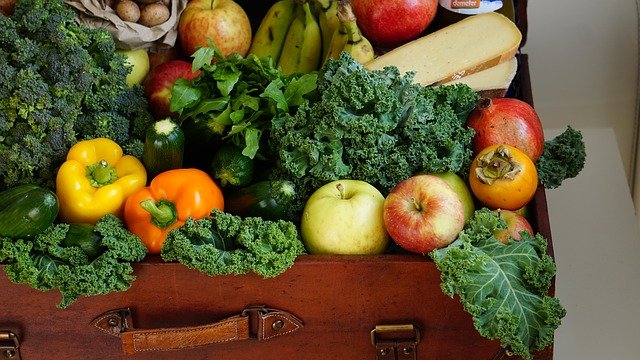
- green, leafy vegetables – such as broccoli, cabbage, kale and okra, (but not spinach)
- fortified plant-based milks
- fortified orange juice
- calcium-set tofu (most tofu is set with calcium, but check the label to be sure)
- sesame seeds and tahini
- pulses
- fortified bread (in the UK, calcium is added to flour by law)
- chia seeds
- almonds
- dried fruit, such as raisins, prunes, figs and dried apricots
Whilst other foods also contain calcium, some have a high level of oxalic acids, which blocks our absorption of calcium and are therefore not as useful to us, whereas the ones listed above have low oxalates, and therefore a good calcium absorption rate.
Below are some examples of how much calcium can be gained from plant-based foods:
- 200ml of fortified plant-milk contains 240mg calcium (about the same as cow’s milk)
- 100g uncooked tofu contains 350mg calcium
- 80g kale contains 120mg calcium
- 1 cup black beans contains 84mg calcium
- 30g figs can contain contains 75mg calcium
- 30g almonds can contains 72mg calcium
- 1 tablespoon chia seeds contains 69mg calcium
- 1 cup cooked broccoli contains 31mg
Recommended Calcium Intake
In the UK, the recommended intake for adults is 700 milligrams per day, with a higher intake recommended for teens and older people. In the US, the recommended intake is higher at 1,000mg for most adults, and 1,200mg for women above 50 and men above 70.
There’s no question that you can get sufficient calcium by just eating a combination of beans, greens, and broccoli, but the quantity you would need to eat would be huge (10 cups of kale anyone?). That’s why the addition of some calcium-fortified soy milk, calcium-set tofu or calcium fortified bread in your diet can make all the difference. With those additions it is perfectly possible to get all your calcium needs through food.
However, if you do not live somewhere where calcium fortified food is prevalent, or you don’t eat those foods regularly, then you may have trouble getting sufficient calcium through food alone on a vegan diet. In these cases, a supplement may be required. But, as noted above, too much calcium is very bad for you and so it’s important to make sure you don’t take more than 1,500mg a day from supplements and food combined.
There are two main forms of calcium dietary supplements. Calcium carbonate is cheap, but is not absorbed so well and is best taken with food. Calcium citrate is more expensive, but is absorbed well on both an empty or a full stomach. Calcium absorption is also best at a rate of no more than 500 mg at one time. So if you choose a supplement that is 1,000 mg, it is better to split the pill’s in half, and take them at different times of day. Many calcium supplements include Vitamin D, and sometimes Vitamin K as well in a “bone health” package.
Calcium Common Sense
The upshot is if you want to have strong bones well into later life, it is better to pay some attention to how much calcium and vitamin D you are getting, but also to make sure you are doing plenty of weight bearing exercise. If you can meet the recommended daily calcium amounts through food, then that is the best option. If you feel you may be falling short, then it may be wise to top up with a supplement, although be very careful not to overdo it.
Stay safe and healthy everyone!
Back to Vegan Nutrition Unpacked
 Letter from Jakarta.
One thought on “Calcium – Strong teeth and bones”